

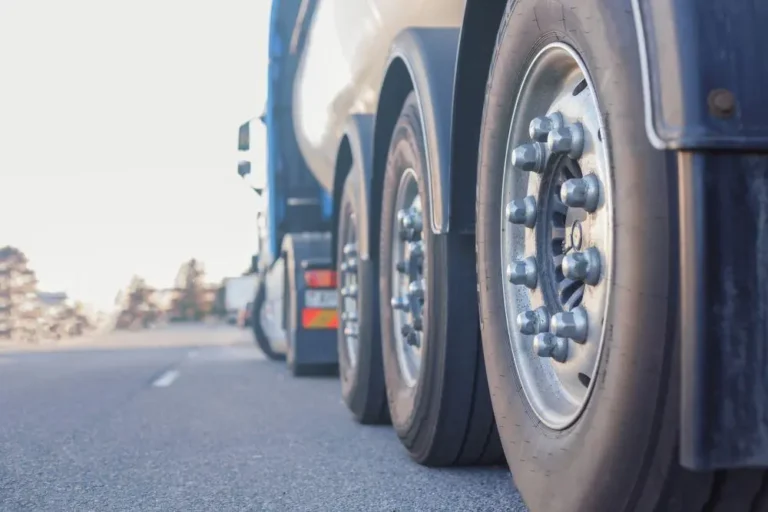
Transport companies in India often have to choose between radial and nylon tyres. A lot of fleet owners choose tyres based only on price or availability, which usually means they end up paying more in the long run. Using the wrong tyre can increase fuel consumption, accelerate wear, and lead to higher maintenance. There is no one-size-fits-all solution because Indian trucks driven on highways, city roads and even on rough terrain.In Indian conditions, factors such as heat, load variation, and road quality play a major role in tyre performance. Understanding the difference between radial and nylon tyres helps in making a more practical and cost-effective decision.
Understanding Radial and Nylon Tyres
It’s important to know how these tyres are made and where they work best before comparing their performance.
What Are Radial Tyres?
Radial tyres have cords that run across the direction of travel and are held up by steel belts under the tread.
- Better grip and stability on the road
- Lower rolling resistance improves fuel efficiency
- Longer tread life on highways
They are widely used for long distance highway operations because of their stability and are considered to be one of the best truck tyres for Indian highways.
What Are Nylon (Bias-Ply) Tyres?
Bias-ply tyres, which are also called nylon tyres, have layers that cross each other.
- Strong sidewalls to protect against impacts
- Better for bumpy roads
- Performs better on uneven and rough road conditions
- Suitable for heavy-duty and high-stress applications
These tyres are often used in construction, mining, and for rough roads in India.
Key Differences Between Radial and Nylon Tyres
Criteria | Radial Tyres | Nylon Tyres |
Construction | Radial ply with steel belts | Cross-ply construction |
Best Use | Highways, long-distance travel | Rough roads, heavy-duty routes |
Fuel Efficiency | Higher | Lower |
Heat Resistance | Better for long runs | Moderate |
Durability (Rough Use) | Moderate | High |
Ride Comfort | Smooth | Firm |
Load Handling | Stable loads | Heavy & variable loads |
This comparison makes it easier to understand radial vs bias ply tyres in real-world use.
What is the best tyre for Indian roads?
There is no single answer to this question, as tyre performance depends on route conditions, load patterns, and usage. The right choice depends on the route, the load, and how you use it.
Highways and Long Distances
Radial tyres are the best choice in this case. They offer better fuel efficiency, generate less heat, and provide a smoother ride. They are often the most cost-effective option for long-distance operations.
Rough Roads, Construction Sites and Mining Environments
In these conditions, nylon tyres work better. Because they have strong sidewalls and are built to last, they can better handle impacts, rough terrain, and heavy loads.
Mixed Use (Common in India)
Most Indian trucks work in a variety of weather conditions. In these situations, the choice should be based on where the truck spends themost time. Finding a balance between durability and efficiency becomes key.
Radial vs Nylon Tyres for Commercial Vehicles
In India, commercial vehicles have to deal with heavy loads, long distances, and roads that aren’t always in good shape. This makes choosing the right tyres very important.
- Radial Tyres are great for long-distance and highway travel
- Nylon Tyres are better for construction, mining, and heavy-duty work
When comparing radial and nylon truck tyres, you should always look at how they actually work instead of what you like best.
When Should You Pick Radial Tyres?
If your business does any of the following, you should use radial tyres:
- Long stretches of highway
- Load conditions that stay the same
- Focus on fuel efficiency
- Multi Axel or long-haul vehicles
People often say that these are some of the best tyres for Indian highways.
When Should You Choose Nylon Tyres?
If you do any of the following, you should use nylon tyres:
- Terrain that is rough or uneven
- Loads that are heavy or change often
- Routes for building or mining
- Moving around in the region for a short distance
They are the best nylon tyres for carrying heavy loads.
Cost Comparison: Radial Tyres vs Nylon Tyres
When comparing radial and nylon tyres, the cost should not be based only on the price of the tyres.
- Radial Tyres: They cost more up front, but they cost less per kilometer because they last longer and use less fuel.
- Nylon tyres: They cost less at first, but they’re better for situations where durability is more important than mileage.
Instead of just looking at the price of the tyres, it makes more sense to look at the total cost of running the business.
Common Mistakes When Choosing Between Radial and Nylon Tyres
A lot of transport companies make choices that cost them more in the long run:
- Picking tyres only based on price
- Not paying attention to the type of load or the condition of the road
- Putting radial tyres on very bumpy roads
- Putting nylon tyres on highways when they don’t need to be
Not making these mistakes can greatly improve how well your tyres work and save you money.
Final Recommendation for Indian Transport Operators
There is no one-size-fits-all answer to the question of radial tyres vs nylon tyres. The right tyre for you will depend on your route, load, and how often you use it. Radial tyres are better for highways and getting good mileage, while nylon tyres are better for rough roads and heavy-duty use.
When you choose a tyre, you need to think about how it will work with your business, not just its features. Pioneer Trading Corporation can help you find the best tyre for your route and load conditions if you are trying to figure out which one is best.
Frequently Asked Questions
Which tyre is better for Indian roads?
Radial tyres are better for highways, while nylon tyres perform better on rough and heavy-duty applications.
Do nylon tyres work better for heavy loads?
Yes, nylon tyres are better for rough roads and heavy-duty use.
What are the differences between nylon and radial tyres?
The main difference is how they are made. Radial tyres are more efficient and comfortable, while nylon tyres are more durable in tough conditions.